Hockey T-shirt Design: A Designer’s Review
As a designer who has spent countless hours digitizing and stitching out various motifs, I approach every new machine embroidery design with a mix of curiosity and skepticism. We all know that what looks crisp on a screen does not always translate seamlessly to fabric. Recently, I had the opportunity to evaluate the Hockey T-shirt Design, a graphic asset marketed for sublimation but often repurposed by creative entrepreneurs for stitched applications. My goal was to determine if this piece holds up under the needle or if it remains strictly a digital print candidate.
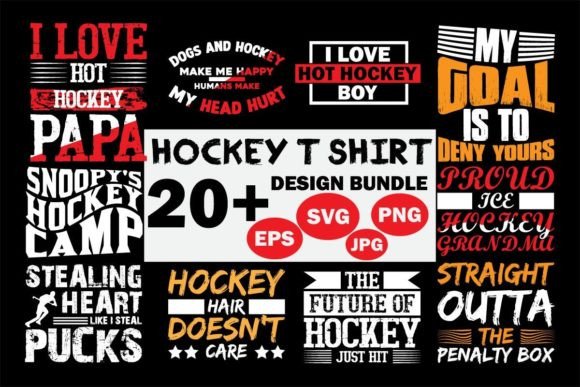
The first impression of this Graphics file is energetic. The layout captures the fast-paced nature of the sport, utilizing bold lines and dynamic shapes that suggest movement. For an embroidery project, this visual personality is crucial. Static designs can look flat on textured fabrics, but the inherent motion in this hockey-themed artwork offers a great foundation for engaging stitch work. However, because this product is primarily sold as a set containing EPS, SVG, and high-resolution PNG files, it requires careful preparation before it becomes a viable embroidery file for your machine.
From Screen to Stitch: Real-World Application
To test the practicality of this design, I imagined a real-life scenario involving a custom order for a local youth hockey league. The client wanted personalized gifts for their coaches, specifically looking for something more durable than a printed tee. This is where the distinction between a T-Shirt Designs graphic and a true embroidery asset becomes critical. Since the provided formats are vector and raster images rather than native embroidery formats like PES or DST, the designer must digitize the artwork themselves or hire a digitizer.
If you are an Etsy seller or a small shop owner, you might be tempted to use the PNG file for direct printing. But for those of us focusing on handmade value, converting this graphic into an applique design or a dense fill stitch pattern can elevate the perceived quality of the finished product. I visualized this design on a heavyweight cotton sweatshirt. The bold outlines of the hockey stick and puck would translate beautifully into satin stitches, providing a raised, tactile feel that customers love. The open spaces within the design could be filled with a light zigzag or left as negative space to prevent the garment from becoming stiff.
Navigating Fabric and Hoop Constraints
One of the most important aspects of using any graphic for embroidery is understanding its limitations on different materials. The Hockey T-shirt Design features sharp angles and potentially fine details depending on how you scale it. When working with textured fabrics like terry cloth towels or fuzzy fleece blankets, these fine lines can get lost. I recommend using a higher contrast thread color to ensure the design remains visible. For instance, stitching white thread on a navy blue jersey creates a classic, professional look that enhances brand consistency for team apparel.
Curved surfaces present another challenge. If you plan to use this design on a cap or a baby onesie, you must consider the hoop size and the stability of the fabric. Caps require specialized hoops and often benefit from simpler designs to avoid puckering. While this hockey graphic is dynamic, it may need simplification for a small 4x4 inch hoop. Tiny lettering or intricate corners in the original SVG should be thickened during the digitizing process to prevent thread breaks and ensure clarity. Always test the design on scrap fabric first. This step is non-negotiable for maintaining professionalism in your craft business.
Enhancing Product Value and Customer Trust
Why go through the trouble of digitizing a graphic when you could just print it? The answer lies in perceived value and durability. An embroidered patch or direct-stitched design on a tote bag signals quality. It suggests that the item is a personalized gift meant to last, not a disposable trend. For holiday embroidery projects or boutique branding, the texture of thread adds a layer of sophistication that ink cannot replicate. Customers often associate embroidery with higher price points, which can improve your profit margins as a digital product seller or handmade artisan.
Furthermore, using this design for commercial embroidery projects allows for greater customization. You can adjust thread colors to match specific team uniforms or school colors. This flexibility is a significant selling point for custom apparel businesses. Whether you are creating aprons for a sports-themed cafe or pillow covers for a fan’s man cave, the adaptability of the hockey theme makes it a versatile asset in your library of design assets.
Practical Notes for the Embroidery Designer
Before you commit to stitching this design on a client’s garment, there are several technical checks you must perform. First, verify the license terms. The product description states it is for creating products like sublimation t-shirts, mugs, and bags. It does not explicitly state that the included files are ready-to-stitch embroidery formats. Therefore, you must confirm whether you have the rights to modify and digitize the artwork for resale as physical embroidered goods. Never assume; always check.
- Check Thread Color Contrast: Ensure your thread choices stand out against the fabric background. Test on both light and dark fabrics to see how the design reads.
- Review Stitch Density: If digitizing from the SVG, avoid overly dense fill stitches which can cause fabric distortion. Use running stitches for outlines where appropriate.
- Confirm Hoop Size: Make sure the scaled design fits comfortably within your machine’s hoop without hitting the edges.
- Use Proper Stabilizer: For stretchy fabrics like performance jerseys, a cut-away stabilizer is essential to prevent stretching during wear and washing.
- Test in Black and White: Convert your mockup to grayscale to check if the design relies too heavily on color for definition. A good design should hold its shape even without color cues.
In conclusion, the Hockey T-shirt Design is a strong visual candidate for embroidery, provided you take the necessary steps to convert and optimize it. It offers a spirited aesthetic that resonates with sports fans and fits well within the niche of custom apparel and personalized gifts. By paying attention to stitch density, fabric choice, and licensing, you can transform this digital graphic into a high-quality embroidered patch or garment feature that delights customers and strengthens your brand reputation. Remember, the difference between a good product and a great one often lies in the details of execution.