Home Is Where the Heart Stitches: A Designer’s Review
As an embroidery designer who has spent countless hours hooping, stitching, and unpicking, I have learned that not every digital asset translates well to thread. We often browse marketplaces looking for the next big seller or the perfect gift design, but the real test is how a graphic behaves under the needle. Recently, I evaluated Everything That Matters Most is at Home., a design that promises warmth and sentimentality. After putting it through its paces on various fabrics and considering its application in real-world craft business scenarios, I have formed a clear opinion on its utility for makers, Etsy sellers, and apparel decorators.
First Impressions: Mood and Visual Personality
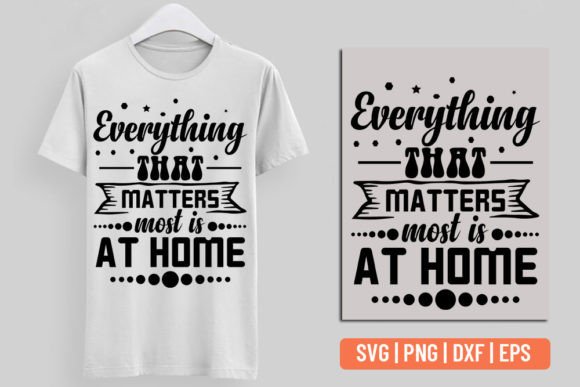
The first thing that strikes you about Everything That Matters Most is at Home. is its inherent calmness. In a market saturated with loud, trendy graphics, this piece offers a grounded, nostalgic feel. The layout suggests a balance between typography and illustrative elements, creating a visual hierarchy that draws the eye inward. For embroidery, this is crucial. A design that is too chaotic can look messy when stitched, but this one feels intentional.
The theme resonates deeply with current consumer trends. People are investing more in their living spaces and seeking comfort in personalized items. This design fits naturally into the category of home decor and personalized gifts. It does not scream for attention; rather, it invites a closer look. For a designer, this means the stitch plan must prioritize clarity and texture over sheer density. The visual personality is soft, making it ideal for projects where the goal is emotional connection rather than bold branding.
Real-World Application: From Tote Bags to Sweatshirts
To truly understand the value of this asset, I imagined it in several practical scenarios. My primary test case was a custom embroidered tote bag. Canvas is a forgiving fabric, but it requires a design that holds its shape. Everything That Matters Most is at Home. worked beautifully here. The structure of the letters and any accompanying graphics provided enough stability to prevent distortion during the stitching process. The result was a high-quality handmade product that looked professional and durable.
I also considered its use in custom apparel, specifically a heavyweight sweatshirt. Embroidery on fleece or cotton blends can be tricky due to the pile of the fabric. However, because this design likely relies on clean lines and moderate detail, it stands out well against textured backgrounds. It would make an excellent sweatshirt embroidery piece for boutique brands focusing on cozy, family-oriented aesthetics. For Etsy sellers, this versatility is a major selling point. You can offer the same design on a tote bag design, a kitchen towel, or a pillow cover, maximizing your return on investment for the digital file.
Another strong contender for this design is the embroidered patch. Patches are trending, and a sentiment like this appeals to buyers looking for subtle statement pieces. If the design scales down well, it could become a staple in a small shop product line. However, scaling requires careful attention to detail, which leads me to my technical observations.
Technical Considerations and Stitching Clarity
When evaluating any machine embroidery design, we must look beyond the preview image. The provided files include SVG, PNG, EPS, and DXF formats. This is an important distinction. These are primarily vector and raster graphics, not native embroidery machine files like PES or DST. This means the user will need to digitize the design or use software to convert these design assets into stitch data. For experienced designers, this is an advantage, as it allows full control over stitch density, satins stitch width, and fill stitch direction. For beginners, this is a hurdle. You must ensure your digitizing skills are up to par to maintain the integrity of the original graphic.
If you are converting this yourself, pay close attention to the lettering. Tiny serifs or thin connections can break during stitching if the thread colors do not contrast sufficiently with the fabric. I recommend testing the design on scrap fabric first. Check how the running stitch outlines hold up on different materials. On thin fabric, you may need a cut-away stabilizer to prevent puckering. On stretchy fabric, proper hooping and stabilization are non-negotiable to avoid distortion.
Also, consider the hoop size. If the design is large, ensure your machine can accommodate it. If you are shrinking it for a cap or baby embroidery project, verify that the small details remain visible. Dense stitch areas can cause fabric pull, so adjusting the density in your digitizing software is key to a professional finished product.
Where to Use It Carefully
While versatile, this design is not without its limitations. Avoid using it on highly textured fabrics like thick terry cloth unless you increase the stitch count significantly, as the details may get lost. Be cautious with dark fabric backgrounds if the design relies on fine lines; high-contrast thread choices are essential here. Additionally, if you plan to use this on curved surfaces like hats, ensure the design is centered and balanced to avoid visual skewing.
For commercial embroidery projects involving frequent washing, such as aprons or tea towels, durability is paramount. Ensure that any satin stitches are not too wide, as they can snag. Test the washability of your chosen threads and stabilizers to maintain the brand consistency and quality your customers expect.
Enhancing Visual Appeal and Buyer Engagement
Ultimately, the success of Everything That Matters Most is at Home. depends on presentation. When creating printable mockup images for your online store, show the design in context. Display it on a cozy throw pillow, a stylish tote, or a soft baby blanket. This helps buyers visualize the personalized gift potential. The emotional resonance of the phrase, combined with the tactile quality of embroidery, creates a strong sense of customer trust and giftability.
For craft business owners, this design supports a narrative of warmth and care. It aligns well with holiday seasons, housewarming events, and family milestones. By offering it across multiple products, you increase buyer engagement and average order value. Just remember to check the licensing terms associated with the SVG and PNG files to confirm whether you can sell finished items or if it is for personal use only. Clarifying this upfront protects your business and ensures professionalism.
In conclusion, Everything That Matters Most is at Home. is a thoughtful addition to any designer’s library. It requires some technical know-how to convert and stitch effectively, but the payoff is a high-quality, emotionally resonant product. Whether you are an Etsy seller looking for your next bestseller or a hobbyist making gifts for loved ones, this design offers the flexibility and charm needed to create something truly special. Treat it with the care it deserves in the digitizing and stitching phases, and it will serve your creative projects well.