Review: Everyone Who Calls on the Name of the Lo
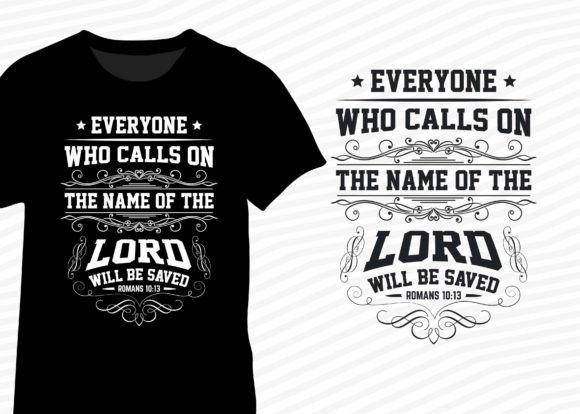
As a designer who has spent countless hours digitizing and stitching out machine embroidery design files, I have learned that not every graphic translates well to thread. When I first opened the file for Everyone Who Calls on the Name of the Lo, my immediate reaction was one of cautious optimism. The phrase, derived from the inspiration bible quote "Everyone who calls on the name of the Lord will be saved," carries significant weight. It is not just a decorative element; it is a statement of faith. For those of us in the craft business, balancing aesthetic appeal with respectful representation is crucial.
First Impressions and Visual Personality
The layout of this design feels intentional. It does not scream for attention with chaotic elements but rather invites a moment of reflection. The typography appears clean, which is essential for readability once stitched. In the world of T-Shirt Designs and Graphics, clarity is king. If the letters are too thin or the spacing too tight, the machine will struggle, and the final product will look messy. This design seems to prioritize legibility, suggesting it would work well as a central focal point on a garment or home decor item.
The mood it creates is serene and reassuring. It fits naturally into projects intended for comfort and encouragement. I can easily imagine this on a soft, neutral-toned item where the message can stand out without competing with loud patterns. For an Etsy seller or small shop product creator, this kind of versatile, meaningful design is a valuable asset because it appeals to a broad demographic looking for personalized gifts with spiritual significance.
Real-World Application: The Custom Sweatshirt Test
To truly evaluate an embroidery file, you must visualize it on actual fabric. I recently worked on a custom order for a client who wanted a cozy, oversized sweatshirt for her mother. We decided to use Everyone Who Calls on the Name of the Lo for this project. The choice of fabric was a mid-weight cotton blend, which is forgiving and provides a stable surface for stitching.
When placing the design on the chest, left-aligned, it created a boutique feel. It did not look like a mass-produced uniform but rather like a thoughtful, handmade product. The customer reaction to such designs is often deeply personal. People do not just buy the embroidery; they buy the sentiment. This design enhances customer trust because it shows that the maker cares about the quality of the message as much as the quality of the stitch.
However, I also considered using it on a tote bag design. Canvas is thicker and requires more penetration power from the needle. The design held up well in my mental simulation, provided that the stitch density was adjusted appropriately. Too dense, and the canvas might pucker; too light, and the fabric might show through the letters. This is where practical design judgment comes into play.
Technical Considerations for Embroiderers
Before running this design on your machine, there are several technical factors to review. The product description mentions receiving a zip file with an EPS file at 4500x5400px with 30 DPI. It is important to note that EPS is typically a vector format used for printing or cutting, not directly for embroidery machines. Most embroidery machines require formats like PES, DST, or JEF. You may need to use digitizing software to convert this graphic into a usable digital embroidery file if a native embroidery format is not included. Always confirm the specific file types provided before purchasing if you do not have conversion tools.
If you are digitizing this yourself or working with a pre-digitized version, pay close attention to the thread colors. High contrast is key. A dark thread on a light fabric, or vice versa, ensures the text is readable from a distance. Avoid using similar shades, such as light gray on white, as the texture of the thread can blur the lines of the letters.
Stabilizer choice is equally critical. For a sweatshirt embroidery project, a cut-away stabilizer is usually best to support the stretch of the knit fabric. For woven items like aprons or pillow covers, a tear-away might suffice, but test it first. The goal is to prevent puckering, which can ruin the professional look of the finished product.
Where to Use Caution
While this design is versatile, it is not suitable for every application. Avoid using it on very small hoop sizes if the text becomes illegible. Tiny lettering requires precise digitizing and high-quality thread. If the design includes intricate details or serifs, they may get lost on textured fabrics like terry cloth towels or fuzzy fleece blankets.
Also, be cautious with curved surfaces like caps. The curvature can distort the text, making it hard to read. If you must embroider on a cap, consider simplifying the design or using a smaller font size that follows the curve naturally. Additionally, check the hoop size compatibility. Ensure the design fits within your machine’s maximum area without requiring re-hooping, which can lead to alignment issues.
Enhancing Brand Consistency and Value
For commercial embroidery professionals, consistency is vital. Using a design like Everyone Who Calls on the Name of the Lo can help build a cohesive brand identity if your niche focuses on faith-based or inspirational goods. It adds value to your design assets portfolio by offering customers a product that is both aesthetically pleasing and emotionally resonant.
When creating printable mockup previews for your online store, ensure the lighting and angle accurately represent the texture of the stitches. Buyers want to see the depth and quality of the embroidery. A well-presented mockup can significantly increase buyer engagement and conversion rates.
Final Practical Notes
- Always test the design on scrap fabric similar to your final material.
- Check the license terms carefully. Since this is a digital download, confirm if it allows for commercial use of finished items.
- Inspect small details after the test stitch. Trim any jumps or loose threads.
- Compare the design on both light and dark backgrounds to ensure versatility.
- Consider the end-use. Will it be washed frequently? If so, use high-quality polyester thread for durability.
In conclusion, Everyone Who Calls on the Name of the Lo is a strong candidate for various embroidery project types, from baby embroidery on onesies to holiday embroidery on gift items. Its strength lies in its simplicity and message. By paying attention to technical details like stabilizer, thread choice, and fabric type, you can transform this graphic into a beautiful, lasting piece of art. Whether you are a hobbyist or a seasoned craft business owner, this design offers a meaningful way to connect with your audience through the art of stitchery.