Review: Need More Sleep Relaxation Shirt Design
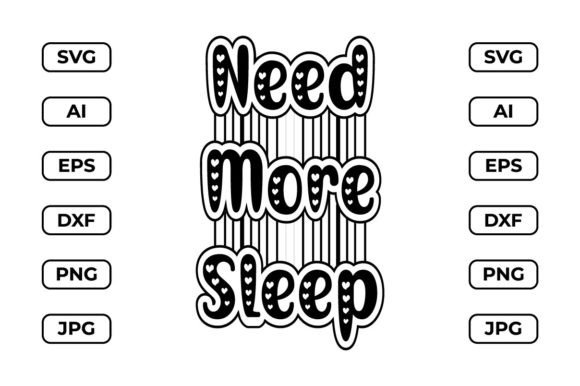
As a designer who spends half my life digitizing and the other half stitching, I have learned that not every graphic translates well to thread. We often see beautiful T-Shirt Designs on screen that fall apart under the needle. That is why I approach every new asset with a critical eye, looking beyond the aesthetic to the practical reality of production. Recently, I evaluated the Need More Sleep Relaxation Shirt Design, a piece of Graphics that promises a blend of humor and comfort. Here is my honest assessment of how this design holds up in real-world embroidery scenarios.
First Impressions and Visual Mood
The immediate appeal of the Need More Sleep Relaxation Shirt Design lies in its relatability. In the current market, customers are drawn to designs that reflect their daily struggles with a touch of whimsy. This design captures that mood perfectly. Visually, it feels relaxed and unpretentious. The layout suggests a balance between text and potential graphical elements, which is crucial for readability once stitched. When I first opened the files, I looked for clean lines and logical spacing. A cluttered design is a nightmare for digitizers, but this one appears structured enough to allow for clear interpretation by both human eyes and machine software.
Real-World Application: The Custom Sweatshirt Test
To truly understand the value of a machine embroidery design, you must visualize it on a finished product. I imagined using this design for a custom order: a high-quality, heavyweight cotton sweatshirt for a local boutique client. The "need more sleep" theme fits perfectly with loungewear and casual apparel. On a soft, textured fabric like fleece or French terry, the design needs to stand out without sinking into the pile. Because this is provided as an embroidery file package including vector formats like AI and EPS, I can easily adjust the scale to fit a left-chest logo placement or a larger back print. The versatility of having SVG and PDF files means I can also use it for heat transfer vinyl if a customer prefers a flat print over stitching, adding value to my service offerings.
Technical Considerations for Stitching
When moving from digital design assets to physical thread, several technical factors come into play. Since the product description lists various vector and image formats, it is important to note that these are source files for creating the actual stitch file, unless a specific DST or PES file is included in your download. If you are digitizing this yourself from the provided SVG or AI files, pay close attention to stitch density. Text-based designs often require careful handling to ensure the letters remain legible. Using a combination of satin stitch for smaller text and fill stitch for larger graphical elements can create a nice texture contrast. However, avoid making the text too thin, as it may break or look sparse on textured fabrics.
If you are using a pre-digitized version or creating your own from these Graphics, always test on scrap fabric first. Check the thread colors against the fabric background. For a relaxation-themed item, muted pastels or classic navy and white combinations work well. Ensure there is enough contrast so the message is readable from a distance. Also, consider the hoop size required. If the design is wide, you will need a larger hoop, which might limit its use on smaller items like baby caps or pocket squares.
Fabric and Surface Challenges
Not all surfaces are created equal. While this design would look fantastic on a sturdy tote bag or a canvas apron, it requires caution on stretchy or thin materials. For baby embroidery projects, such as onesies, the weight of the stitches must be balanced with the delicacy of the fabric. Using a proper stabilizer is non-negotiable here. A cut-away stabilizer might be too stiff for a soft baby garment, so a high-quality tear-away or no-show mesh could be better, depending on the washability requirements. Additionally, curved surfaces like caps present a challenge. If you plan to use this as an embroidered patch or directly on a hat, ensure the design is not too tall, as it may distort over the curve of the crown.
Commercial Viability for Etsy Sellers
For Etsy sellers and small shop owners, the commercial potential of the Need More Sleep Relaxation Shirt Design is strong. It fits neatly into several popular niches: self-care gifts, nurse appreciation items, student merchandise, and new parent gifts. The ability to offer this as a personalized gift adds significant perceived value. You could pair the main design with a custom name or date, utilizing the vector files to integrate additional text seamlessly. This flexibility allows you to create unique handmade products that stand out in a crowded marketplace. Furthermore, having access to transparent PNGs allows for quick creation of printable mockups for your online listings, helping customers visualize the final finished product before they buy.
Practical Designer Notes
Before committing to a large production run or listing this item in your store, keep these practical tips in mind:
- Verify Licensing: Always confirm the license terms provided with the digital embroidery file. Ensure you are allowed to sell physical items made with this design, especially if you are running a craft business.
- Test Stitch Density: If digitizing from the vector files, watch for dense areas that could cause puckering. Adjust your underlay stitches to support the top stitching properly.
- Check Small Details: Zoom in on the AI or EPS files. Are there tiny anchor points or complex curves that might cause thread breaks? Simplify these areas if necessary.
- Contrast Testing: Create black and white mockups to ensure the design reads well without color reliance. This helps in planning monogram-style options.
- Fabric Compatibility: Test on both light and dark fabrics. You may need to adjust thread weights or use a backing thread for dark garments to prevent show-through.
Final Verdict
The Need More Sleep Relaxation Shirt Design is a solid addition to any designer’s library. It offers the flexibility needed for various custom apparel projects, from sweatshirt embroidery to tote bag design applications. Its strength lies in its universal appeal and the technical versatility provided by the multiple file formats. While it requires thoughtful digitizing and testing to ensure optimal stitch quality, the end result can be a professional, high-value small shop product that resonates with customers. For those willing to put in the preparatory work, this design delivers both aesthetic charm and commercial viability.