Reviewing Faith Breast Cancer Sublimation Design
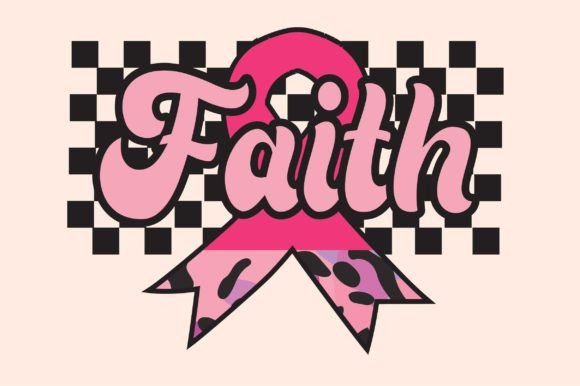
As a designer who has spent countless hours digitizing and testing artwork for real-world application, I approach every new asset with a critical eye. We are not just looking at pretty pictures; we are evaluating how a visual concept translates into thread, fabric, and finished goods. Recently, I spent time analyzing the Faith Breast Cancer Sublimation Design. While this asset is technically marketed as a sublimation graphic—provided in high-resolution 300 DPI PNG, JPG, EPS, and PDF formats with transparent backgrounds—it holds significant value for embroidery professionals who understand how to bridge the gap between print-ready graphics and stitched art.
First Impressions: Mood and Visual Personality
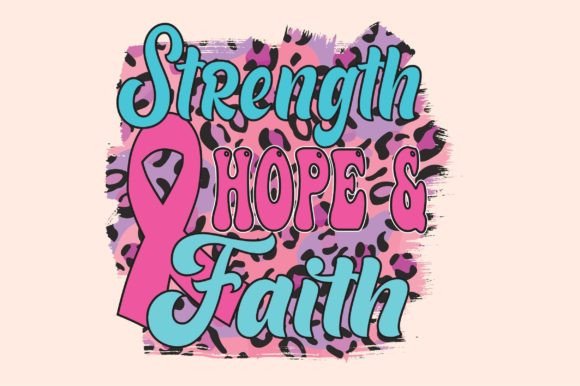
The immediate impact of this design is its emotional resonance. The combination of faith-based messaging with breast cancer awareness imagery creates a mood that is both supportive and resilient. Visually, the layout feels balanced, with eye-catching graphics that draw the eye without overwhelming the viewer. For an embroidery designer, this is crucial. A cluttered design often leads to stitching nightmares, but here, the clear lines and defined shapes suggest that it could translate well into a hybrid project. The transparency in the PNG files allows us to isolate elements easily, which is the first step in determining if a graphic can become a viable machine embroidery design.
From Screen to Stitch: Real-World Application
I recently worked on a custom order for a local boutique specializing in survivor support gear. The client wanted a tote bag that felt personal yet professional. This is where the Faith Breast Cancer Sublimation Design shines as a reference point. Although the primary files are for sublimation, the clarity of the EPS and PDF vectors allows a skilled digitizer to trace and convert key elements into an applique design or a detailed fill stitch pattern.
Imagine using the central graphic as a printed sublimation patch on a canvas tote, then adding embroidered accents like a satin stitch border or running stitch details around the text. This hybrid approach leverages the high-resolution graphics for complex color gradients while using embroidery to add texture and perceived value. For sweatshirt embroidery, the bold lines of the design would stand out beautifully against heather grey or soft pink fabrics, creating a personalized gift that feels substantial and thoughtful.
Navigating Technical Challenges
However, we must be realistic about the limitations when moving from a digital graphic to a physical embroidery project. If you plan to digitize this yourself or hire someone to do so, pay close attention to the small details. Tiny lettering and intricate corners in the original graphic may not hold up under the needle. In embroidery, stitch density is everything. If you attempt to replicate every subtle curve of the sublimation graphic with thread, you risk creating a stiff, puckered mess.
For curved surfaces like caps or hats, this design requires careful scaling. A large, dense fill stitch area can distort the fabric of a cap front. Instead, consider simplifying the design for headwear, perhaps using only the main iconography and omitting smaller text. Similarly, on stretchy fabrics or thin materials, proper stabilizer selection is non-negotiable. Without a cut-away stabilizer, the weight of the thread could pull the fabric out of shape, ruining the aesthetic of your custom apparel.
Enhancing Product Value and Brand Trust
Why go through the trouble of adapting a sublimation graphic for embroidery? Because texture sells. Customers associate embroidery with quality and durability. When you offer a handmade product that combines the vibrant colors of sublimation with the tactile luxury of thread, you elevate the perceived value. For Etsy sellers and small shop owners, this differentiation is key. A standard printed t-shirt is common; an embroidered patch sewn onto a high-quality tee is a boutique item.
This design supports brand consistency for those in the awareness niche. It allows you to create a cohesive line of products, from baby embroidery items like onesies to kitchen towels and aprons. The versatility of the provided file formats means you can use the PNG for printable mockups on your website, giving customers a realistic preview of what the final stitched product might look like, even if the actual item uses a simplified embroidered version.
Practical Notes for the Craft Business Owner
Before you commit to producing inventory based on this asset, follow these practical steps:
- Test on Scrap Fabric: Never run a new design on your final product first. Use similar fabric weights to test tension and density.
- Check Thread Color Contrast: Ensure your thread colors pop against the fabric. If using dark fabric, you may need to adjust the design brightness or use lighter threads for visibility.
- Verify Licensing: The product description mentions it includes various file types, but always confirm the license terms. Can you sell finished items? Can you use the digital assets for commercial embroidery projects? Clarity here protects your craft business.
- Inspect Small Details: Zoom in on the EPS or PDF files. If lines are too thin, they may need to be thickened during digitizing to prevent thread breaks.
- Mockup in Black and White: Remove color to check the contrast and readability of the design. If it looks muddy in grayscale, it will likely lack definition when stitched.
Final Verdict for Designers and Makers
The Faith Breast Cancer Sublimation Design is a strong asset for creative entrepreneurs who understand the interplay between different decoration methods. It is not just a plug-and-play embroidery file, but a high-quality graphic foundation that can inspire versatile T-Shirt Designs and Graphics for various mediums. Whether you are creating holiday embroidery gifts, boutique merchandise, or digital product previews, this design offers the emotional depth and visual clarity needed to engage buyers.
For the experienced maker, it serves as a reminder that great products often come from adapting available resources creatively. By respecting the technical constraints of embroidery—hoop size, fabric texture, and stitch type—you can transform this sublimation-ready graphic into a stunning stitched reality. It fits naturally into the workflow of those who value both aesthetic appeal and practical durability in their finished products.