Stitching the Pharmacist Halloween Design
As an embroidery designer who has spent years translating digital art into thread, I approach every new Pharmacist Halloween T-shirt Design with a mix of excitement and skepticism. We have all seen holiday graphics that look fantastic on a screen but turn into a tangled mess under the needle. When I first opened this file to evaluate it for real-world application, my primary concern was not just the aesthetic appeal, but its viability as a functional machine embroidery design for small business owners and crafters.
First Impressions and Visual Mood
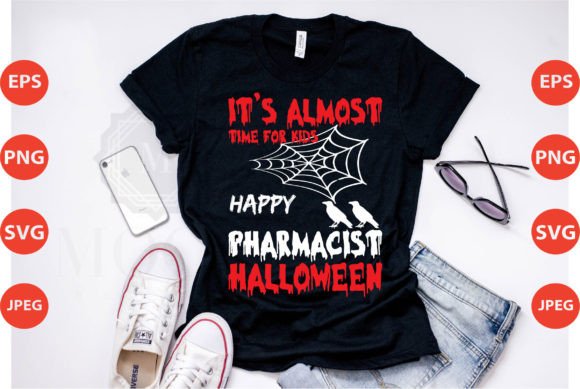
The initial visual impact of this design is playful yet professional, striking a delicate balance that is often difficult to achieve in niche holiday apparel. The theme merges medical iconography with spooky Halloween elements, creating a mood that is witty rather than frightening. For an Etsy seller or boutique owner, this tonal balance is crucial. It appeals to pharmacists, pharmacy technicians, and students who want to celebrate the season without sacrificing their professional identity.
From a layout perspective, the composition feels centered and balanced. However, as someone who works with Graphics daily, I immediately looked at the line weights and color transitions. In digital formats like the provided EPS and SVG files, lines can appear crisp and infinite in resolution. But in embroidery, we are limited by thread thickness and stitch direction. The design’s personality suggests it would work beautifully as a statement piece on the back of a sweatshirt or as a smaller, subtle accent on a tote bag.
Real-World Application Scenarios
To truly test the value of any embroidery file, I mentally place it on various substrates. Imagine preparing a custom order for a local pharmacy team looking for matching holiday gifts. This design would shine on a high-quality cotton tote bag. The flat surface of a tote allows for clear stitching without the distortion common in curved garments. Using a medium-weight stabilizer, the details should hold up well, creating a durable handmade product that withstands daily use.
Another strong candidate is a fleece-lined hoodie. Here, the contrast between the soft fabric texture and the structured stitches of the design adds tactile interest. For sweatshirt embroidery, I would recommend using a cut-away stabilizer to prevent puckering, especially if the design includes dense areas. If you are creating personalized gift items, such as aprons for pharmacy staff break rooms, the design’s layout fits naturally over the chest pocket area, provided you scale it down appropriately.
It is also worth considering this for holiday embroidery projects like pillow covers. A square throw pillow offers a stable hoop area, allowing the full detail of the artwork to be showcased. This transforms a simple decorative item into a conversation starter, enhancing the perceived value of your small shop product.
Navigating Technical Challenges
While the design is visually appealing, there are areas where caution is necessary. Any experienced embroiderer knows that tiny details can get lost in translation. If this design includes fine lettering or intricate outlines, they may require careful digitizing adjustments. Before committing to a final embroidery project, always check the stitch density. High-density areas can cause fabric distortion, particularly on thinner materials like tri-blend t-shirts.
Curved surfaces present another challenge. If you plan to use this on caps or hats, be mindful of the hoop size and the curvature of the crown. A design that looks perfect on a flat mockup might warp when stitched onto a rounded cap. In such cases, simplifying the design or reducing the scale might be necessary to maintain clarity. Additionally, dark fabrics require careful selection of thread colors. Ensure there is enough contrast between the background fabric and the thread to make the design pop. A test run on scrap fabric is non-negotiable here.
File Formats and Versatility
The product description notes that this design comes in EPS, SVG, and PNG formats. For sublimation printing, the PNG at 4500x5400 pixels is excellent. However, for embroidery, these vector and raster files serve as the source art for digitizing. If you are a designer who digitizes your own files, having the EPS and SVG allows for precise manipulation of paths before converting them into stitch files. This flexibility is a significant advantage for creating unique design assets tailored to specific client needs.
If you are not digitizing yourself, ensure that the provider offers actual embroidery file formats compatible with your machine. Always verify the license terms. While the description mentions use for creating products like t-shirts and mugs, confirming whether the license covers commercial sales of finished embroidered items is essential for protecting your craft business.
Enhancing Brand Consistency and Value
Using a well-thought-out design like this contributes to brand consistency. When customers see high-quality stitching and thoughtful design choices, their trust in your brand grows. This Pharmacist Halloween T-shirt Design is not just a seasonal novelty; it is a tool for building customer engagement. It shows that you understand your audience’s profession and their sense of humor.
For commercial embroidery projects, consistency is key. Ensure that every item produced meets the same standard of quality. Use proper stabilizers, high-quality threads, and precise tension settings. The difference between a homemade look and a professional finished product often lies in these technical details.
Practical Designer Notes
- Test First: Always stitch out a sample on the same fabric type you intend to use for the final product. This helps identify any issues with pull compensation or thread breaks.
- Check Contrast: View your design in black and white to ensure the shapes are distinct and readable without relying on color.
- Stabilizer Selection: Match your stabilizer to your fabric. Use cut-away for stretchy fabrics and tear-away for stable woven materials.
- Hoop Size: Confirm that the design fits within your available hoop sizes. If resizing, maintain the aspect ratio to avoid distortion.
- Licensing: Double-check the usage rights. Ensure you are compliant with the terms for selling physical goods featuring this design.
In conclusion, this design offers a solid foundation for creative entrepreneurs looking to expand their holiday offerings. With careful attention to technical execution and material selection, it can become a standout item in your portfolio. Whether used for custom apparel, decorative home goods, or promotional items, the key is to respect the limitations of the medium while leveraging the strengths of the artwork. Happy stitching.