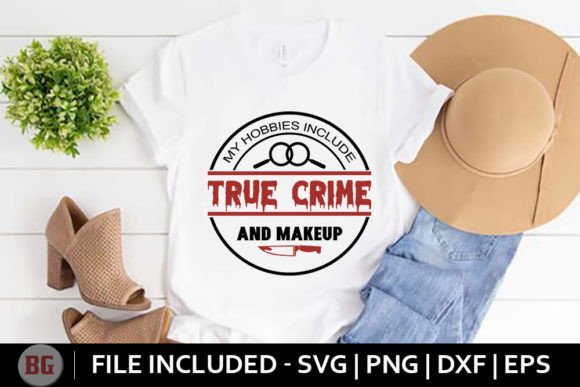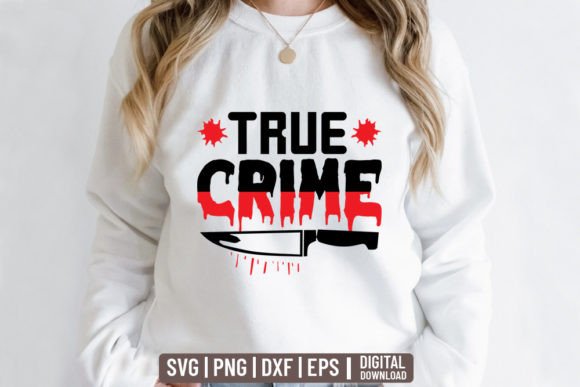
True Crime: A Designer’s Take on Bold Embroidery
As a designer who has spent countless hours staring at digitized files and watching needles dance across fabric, I have learned that not every graphic translates well to thread. When I first opened the folder for True Crime, my initial reaction was one of cautious curiosity. The name alone suggests a gritty, mysterious aesthetic, but in the world of embroidery, mood is only half the battle. The real question is always about execution. Does the design hold up under the tension of the hoop? Does it read clearly from a distance? And perhaps most importantly for those of us running small shops, will it sell?
This review comes from the perspective of someone who needs to know if this asset is ready for client work or if it requires significant tweaking before it hits the machine. I am evaluating True Crime not just as a digital image, but as a potential centerpiece for a tangible, handmade product.
First Impressions and Visual Personality
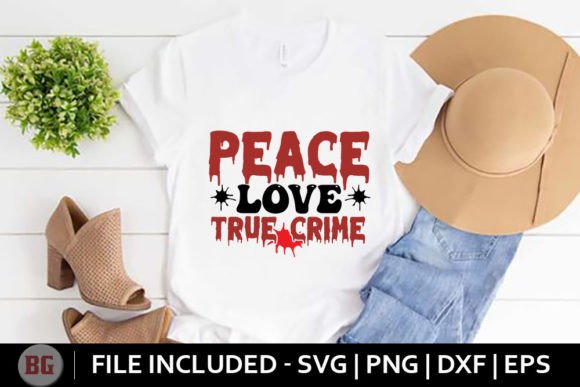
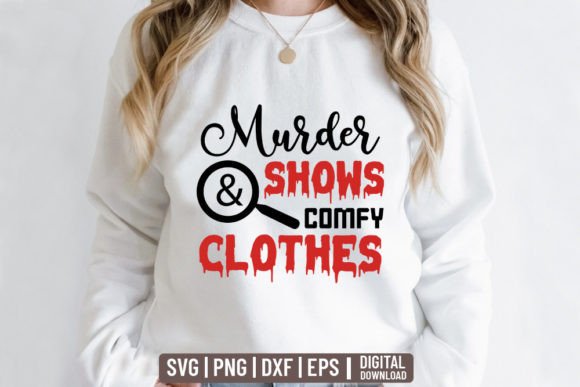
The visual personality of True Crime is striking. It carries a bold, narrative weight that immediately grabs attention. For embroidery designers, this is crucial because stitched designs lack the subtle gradients of print. They rely on shape, contrast, and line weight. This design appears to lean into strong silhouettes and clear thematic elements, which is exactly what you want when working with thread.
The layout feels balanced, avoiding the common pitfall of overly dense centers that can cause puckering. Instead, it seems to offer a mix of open space and detailed focal points. This balance is vital for maintaining the integrity of the fabric, especially if you are working with softer materials like cotton blends or fleece. The mood it creates is edgy yet polished, making it suitable for a wide range of demographics, from true crime podcast enthusiasts to fans of mystery novels.
Real-World Application: The Tote Bag Test
To truly understand how True Crime performs, I imagined a specific real-life scenario. I recently had a request for a custom embroidered tote bag for a local book club focused on mystery genres. This was the perfect test case. Tote bags are unforgiving; they are often made of canvas or heavy cotton, which requires precise stitch density to prevent the design from looking sparse or, conversely, turning the fabric into a stiff cardboard-like patch.
Using True Crime for this project felt natural. The design’s graphic nature complements the utilitarian feel of a tote. Unlike delicate floral patterns that might get lost on rough canvas, this design stands out. It commands space. When I visualized the stitching process, I considered the thread colors. A high-contrast palette, such as stark white or cream thread on a black or navy bag, would maximize readability. Alternatively, using muted tones like slate gray or burgundy could create a more subtle, boutique aesthetic. The versatility here is a strong selling point for any Etsy seller looking to expand their T-Shirt Designs or accessory lines.
Performance Across Different Products
Beyond tote bags, this design shows promise across various embroidery projects. For sweatshirt embroidery, the design’s bold lines would sit well on the chest or back. Sweatshirts provide a stable, thick surface that handles fill stitches beautifully, allowing the details of True Crime to pop without sinking into the fabric pile.
However, caution is needed when considering smaller items. If you are planning to use this on baby embroidery projects, such as onesies or bibs, you must assess the scale. Detailed corners and tiny elements might not stitch cleanly on such a small hoop size. In these cases, simplifying the design or scaling it down significantly while checking for stitch clarity is essential. Similarly, for embroidered patches, the design’s border needs to be clean and closed to ensure a professional finish when cut.
For custom apparel like caps, the curved surface presents a challenge. Dense areas in the design could cause distortion on the front panel of a hat. If you choose to use True Crime here, I recommend using a sturdy stabilizer and possibly reducing the stitch density in the center of the design to prevent pulling.
Technical Considerations for Designers
One of the most important aspects of reviewing a digital file is understanding what you are actually receiving. The product description states that you will receive a zip file containing SVG, PNG, EPS, and DXF formats. It is critical to note that these are primarily vector and raster graphic formats, not native machine embroidery files like PES or DST. The description mentions they are ready to use with major electronics, which likely implies compatibility with cutting machines or software that converts these vectors into stitch files.
For an experienced embroiderer, this means you will need to digitize the SVG or EPS file yourself or use auto-digitizing software with caution. Auto-digitizing often fails to account for proper underlay, pull compensation, and stitch direction. Therefore, before committing to a final finished product, you must test the design on scrap fabric. Check the stitch density to ensure it is not too heavy for your chosen material. Inspect small details to see if they merge together or break apart during stitching.
Thread color contrast is another key factor. Because True Crime relies on graphic impact, poor color choices can muddy the design. Always test your thread combinations on the actual fabric you intend to use. Dark fabrics require careful planning to ensure the design does not disappear. Using a lighter top thread or even considering an applique approach could enhance visibility and reduce stitch count, making the production faster and the garment softer.
Commercial Viability and Brand Consistency
For craft business owners and small shop products, consistency is key. True Crime offers a distinct aesthetic that can help build brand recognition. If your shop specializes in moody, mysterious, or bold Graphics, this design fits seamlessly into that narrative. It adds value to personalized gifts because it feels curated rather than generic.
When creating printable mockups for your online store, ensure that the digital representation matches the stitched reality. Customers trust transparency. If the design looks crisp in the mockup but messy in person, you risk negative reviews. Therefore, take the time to photograph your test stitches on various fabric textures to show potential buyers exactly what they are getting.
In conclusion, True Crime is a compelling asset for designers who understand the technical demands of embroidery. It is not a plug-and-play solution for every machine without some preprocessing, but its visual strength makes it worth the effort. Whether you are creating holiday embroidery gifts, commercial embroidery batches for a client, or unique items for your Etsy listings, this design has the potential to elevate your work. Just remember to respect the medium, test thoroughly, and let the bold personality of the design shine through careful craftsmanship.