Merry Christmas Tree - Ugly Sweater Style Review
As a designer who has spent countless hours digitizing patterns and troubleshooting thread breaks, I approach every new machine embroidery design with a mix of excitement and skepticism. The market is flooded with holiday motifs, but finding one that balances whimsical charm with technical stitchability is rare. Recently, I evaluated the Merry Christmas Tree - Christmas Ugly S to determine if it holds up under the needle for real-world applications. This isn’t just about how it looks on a screen; it’s about how it performs on fabric, in the hoop, and ultimately, in the hands of a customer.
First Impressions: Capturing the Holiday Spirit
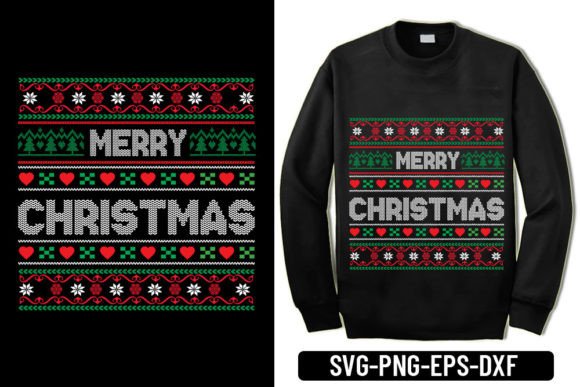
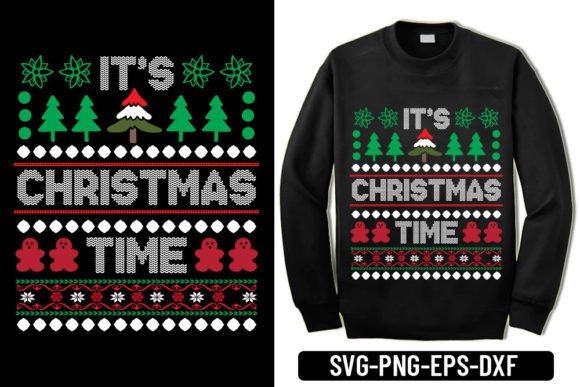
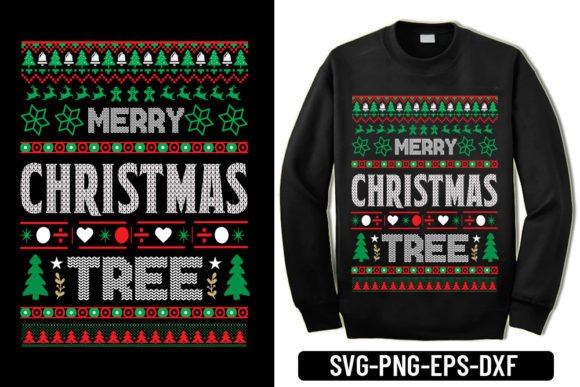
The immediate appeal of this design lies in its thematic execution. It captures the nostalgic, slightly chaotic energy of an "ugly sweater" aesthetic without becoming visually cluttered. For embroidery, clarity is king. A design that looks busy on a monitor can turn into a tangled mess of thread on fabric if the lines are too close or the details are too fine. This particular graphic manages to maintain distinct shapes, which suggests it will translate well into satin and fill stitches.
The mood is undeniably festive yet modern. It avoids the overly traditional pine-cone-and-ribbon clichés, opting instead for a stylized approach that fits contemporary home decor and apparel trends. When I visualize this stitched out, I see it working beautifully on items that benefit from a touch of humor and warmth. It feels less like a stiff corporate logo and more like a handmade gesture, which is exactly what buyers look for in seasonal goods.
Real-World Application: From Screen to Stitch
To truly test the viability of any embroidery file, you have to imagine it on specific products. I pictured this design centered on a heather grey crewneck sweatshirt. The contrast between the vibrant thread colors and the muted fabric would make the tree pop, creating a cozy, wearable piece of holiday art. It’s not just limited to apparel, though. Imagine this stitched onto a canvas tote bag for grocery runs or farmer’s market trips. The durability of embroidery makes it superior to printed ink, which cracks over time.
For those running a small shop or selling as an Etsy seller, versatility is key. This design could easily anchor a line of matching family pajamas or serve as a charming accent on kitchen towels. I also considered it for a baby onesie. However, scale matters immensely here. While the design is cute, one must ensure the dimensions are reduced appropriately for infant garments to avoid stiffness. A large, dense block of stitching on a baby’s chest is uncomfortable, so careful resizing and density adjustment are crucial before production.
In the realm of T-Shirt Designs and general Graphics, this asset stands out because it offers a narrative. It’s not just a tree; it’s a statement. This emotional connection drives sales. Whether used for a boutique’s holiday collection or as a personalized gift for a friend, the design carries enough personality to feel special without being overwhelming.
Technical Considerations for Embroiderers
Before loading this into your machine, there are several practical factors to address. Since the product description indicates you receive SVG, PNG, EPS, and DXF files, it is important to note that these are primarily vector and image formats. For machine embroidery, you typically need DST, PES, or JEF files depending on your machine brand. If this package is intended for cutters or print-on-demand, that is clear. However, if you plan to stitch it, you may need to digitize these vectors yourself or convert them using specialized software. Always verify the intended use case of the provided file types.
Assuming you are using this as a reference for digitizing or printing, let’s discuss stitch behavior. The "ugly sweater" style often implies texture. In embroidery, this means mixing stitch types. You might use a satin stitch for the outline to give it a raised, rope-like appearance, and a fill stitch for the body of the tree to create coverage. Be mindful of stitch density. Too dense, and the fabric will pucker; too sparse, and the backing will show through. Testing on scrap fabric is non-negotiable.
Fabric choice plays a massive role in the final outcome. On a sturdy cotton twill or denim, this design will look crisp and professional. On stretchy knits, like those used for t-shirts or baby clothes, you must use a high-quality cut-away stabilizer to prevent distortion. Without proper stabilization, the pull of the threads will warp the garment, ruining the shape of the tree. For textured fabrics like fleece or towels, consider using an appliqué technique where the tree shape is cut from felt and then stitched down, reducing bulk while maintaining visual impact.
Navigating Challenges: Where Caution is Needed
While the design is strong, it is not without its challenges. Small, intricate details can be problematic in embroidery. If the original graphic has very thin lines or tiny decorative elements, they may not stitch out cleanly at smaller sizes. I recommend doing a black-and-white mockup to check for contrast and clarity. If the details disappear in monochrome, they will likely get lost in thread as well.
Curved surfaces, such as caps or hats, require extra attention. Placing a wide design on a curved front panel can cause bridging or gaps. You may need to split the design or adjust the pull compensation settings in your digitizing software. Additionally, dark fabrics require careful thread color selection. Bright greens and reds work well, but if you choose subtle tones, ensure they have enough contrast against the background fabric to remain visible.
Enhancing Brand Value and Customer Trust
For creative entrepreneurs, the quality of your design assets directly impacts your brand perception. Using a well-balanced, aesthetically pleasing graphic like Merry Christmas Tree - Christmas Ugly S signals professionalism. It shows that you care about the details. When customers receive a handmade product that looks polished and durable, they are more likely to return and recommend your shop.
This design also lends itself well to printable mockups and digital previews. Because the lines are clean, it creates attractive listing images that help online shoppers visualize the final item. Whether you are selling custom apparel or embroidered patches, the visual appeal of the source graphic helps drive engagement.
Final Verdict and Designer Notes
The Merry Christmas Tree - Christmas Ugly S is a versatile asset that bridges the gap between fun holiday kitsch and refined design. It works best when treated with technical respect. Here are my final recommendations for anyone planning to use this in their next project:
- Test First: Always stitch a sample on the same fabric type you intend to use for the final product.
- Check File Compatibility: Confirm if the provided SVG/DXF files need conversion for your specific embroidery machine.
- Mind the Scale: Resize proportionally to fit the hoop size and garment area without losing detail.
- Stabilize Properly: Match your stabilizer to the fabric weight and stretch.
- Thread Choice: Use high-quality rayon or polyester threads to ensure sheen and durability, especially for items that will be washed frequently.
In conclusion, this design is a solid choice for holiday collections. It offers the flexibility needed for various craft business applications, from baby embroidery to holiday embroidery on home goods. By paying attention to the technical nuances of stitching, you can transform this digital graphic into a tangible, high-value finished product that delights customers and strengthens your brand.