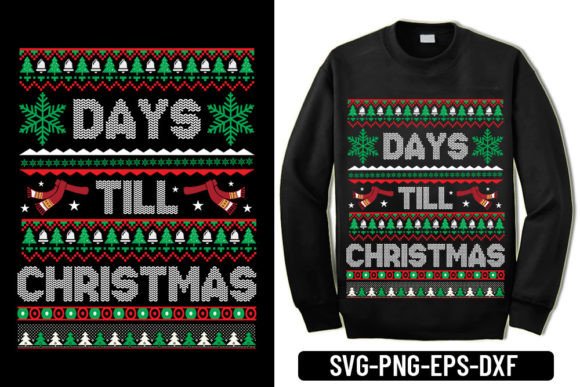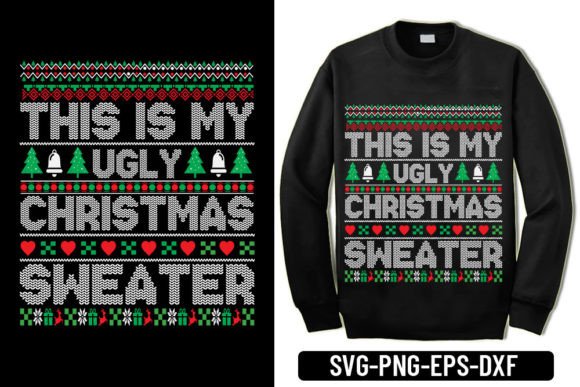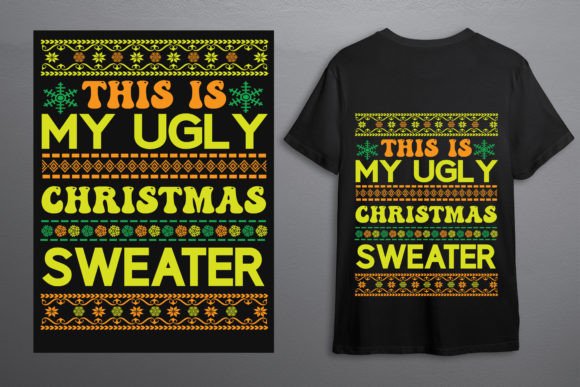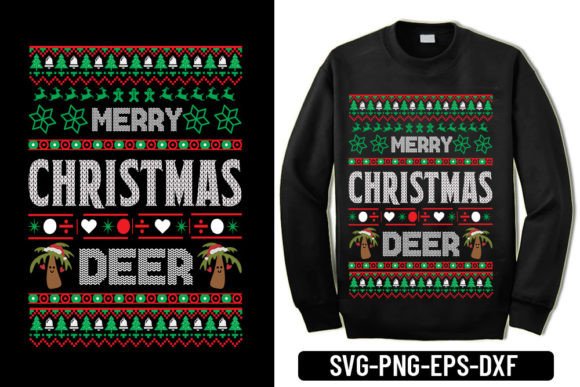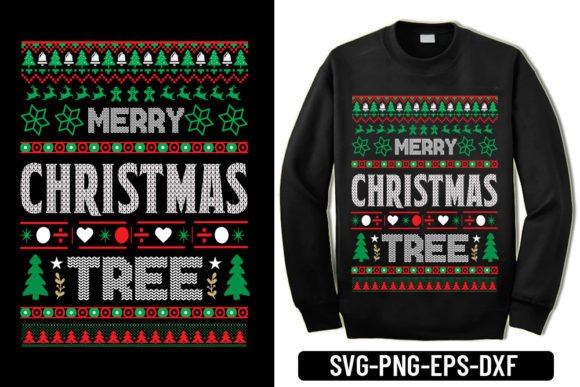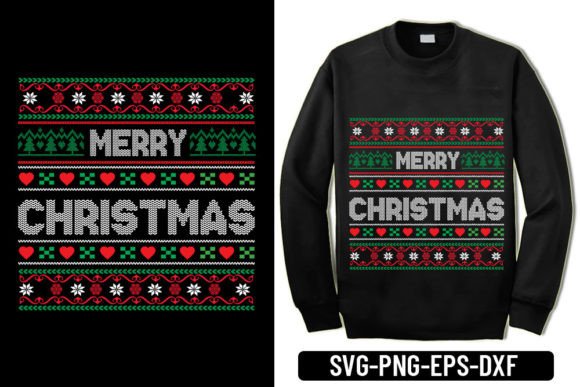
Reviewing the Merry Christmas Ugly Sweater Design
As a designer who has spent countless hours digitizing and testing embroidery files, I approach every new asset with a mix of curiosity and skepticism. The market is flooded with holiday graphics, but few translate well from screen to stitch. When I first loaded the Merry Christmas - Christmas Ugly Sweater design into my workspace, I was looking for more than just festive cheer. I wanted to see if this graphic could hold up under the mechanical reality of an embroidery machine while maintaining the charm that makes ugly sweaters so popular.
This review comes from the perspective of someone who builds products for real customers. Whether you are an Etsy seller preparing for the Q4 rush, a boutique owner curating holiday gifts, or a hobbyist making personalized items for family, the viability of a design depends on its execution. Here is my practical assessment of how this design performs in actual production environments.
First Impressions and Visual Personality
The immediate mood of the Merry Christmas - Christmas Ugly Sweater design is playful and nostalgic. It captures the essence of the "ugly sweater" trend without being overly chaotic. For embroidery, chaos is often the enemy. Too many competing elements can lead to thread breaks, puckering, and a finished product that looks messy rather than intentional.
What stands out here is the balance. The layout suggests a clear hierarchy, which is crucial when translating a complex theme into thread. The visual personality feels cozy and humorous, making it an ideal candidate for holiday embroidery projects that aim to spark conversation. It does not scream for attention; instead, it invites a closer look. This subtlety is vital for custom apparel where the wearer wants to feel stylish yet festive.
Real-World Application: The Sweatshirt Test
To truly evaluate a design, you must imagine it on a specific substrate. I visualized this graphic stitched onto a heavyweight cotton-blend sweatshirt. This is a common request for craft business owners during the winter months. The design’s structure seems robust enough to handle the texture of fleece or terry cloth, provided the digitizing accounts for the pile.
If I were producing this for a client, I would likely use it as a central chest piece or a larger back print. The theme lends itself well to sweatshirt embroidery because the "ugly sweater" concept is inherently tied to knitwear. By embroidering it onto a actual garment, you create a meta-layer of humor that customers love. It transforms a standard piece of clothing into a personalized gift with significant perceived value.
However, versatility is key. This design could also work beautifully on a canvas tote bag design. Imagine a natural-colored tote with this graphic stitched in vibrant reds and greens. It becomes a reusable holiday shopping bag, adding functionality to the festive aesthetic. For small shop product lines, offering this on multiple items increases the chance of conversion.
Technical Considerations for Stitching
While the visual appeal is strong, the technical execution requires careful planning. Since the product description indicates you receive SVG, PNG, EPS, and DXF files, it is important to note that these are primarily vector and raster graphics. They are not native machine embroidery formats like PES or DST. This means if you are using this for machine embroidery design purposes, you will need to digitize it yourself or convert it using specialized software.
When converting this digital embroidery file concept into stitches, pay close attention to stitch density. Ugly sweater patterns often involve repeating geometric shapes or snowflakes. If these are too dense, they will create a stiff patch on the fabric. I recommend using a combination of fill stitch for larger areas and satin stitch for borders to keep the texture varied and soft. For finer details, a running stitch might be necessary to prevent bulk.
Another critical factor is the hoop size. Ensure your design fits comfortably within your machine’s maximum hoop area with adequate margin for stabilization. If you are stitching on curved surfaces like caps, the design may need to be simplified to avoid distortion. Always test the design on scrap fabric first. This step is non-negotiable for professional embroidery project workflows.
Fabric and Thread Choices
The success of this design heavily relies on contrast. On dark fabrics, such as navy or black hoodies, you will need bright, high-visibility thread colors. Metallic threads could add a nice touch of sparkle, mimicking the tinsel often found on real ugly sweaters, but they require slower stitching speeds and careful tension adjustments. On light fabrics, deeper tones will make the design pop.
Consider the fabric texture as well. Delicate materials like silk or thin rayon blouses are not suitable for this type of graphic. The weight of the stitches will pull and distort the fabric. Stick to stable materials like cotton, denim, canvas, or heavy knits. Using the correct stabilizer is equally important. A cut-away stabilizer is often best for stretchy garments to prevent the design from warping after washing.
Commercial Viability and Branding
For Etsy sellers and commercial embroidery professionals, this design offers strong potential. It taps into a evergreen holiday trend that resonates with a wide demographic. However, differentiation is key. Since many sellers may use similar themes, your execution sets you apart. High-quality stitching, thoughtful color palettes, and premium garments will elevate this from a generic item to a boutique-quality finished product.
When creating printable mockup images for your online store, ensure the lighting highlights the texture of the stitches. Customers buying design assets or finished goods want to see the tactile quality of the embroidery. Show the design on different items—a baby onesie for a cute angle, a mug wrap for novelty, or a pillow cover for home decor. This demonstrates versatility and helps buyers visualize the item in their lives.
Final Verdict and Practical Advice
The Merry Christmas - Christmas Ugly Sweater design is a solid choice for holiday collections. It balances humor with aesthetic appeal, making it suitable for both handmade product lines and personal projects. However, remember that the provided files are graphics, not ready-to-stitch embroidery files. You must bridge that gap with skilled digitizing.
- Test extensively: Always stitch out on the actual fabric you plan to sell.
- Check licensing: Confirm whether the graphic license allows for commercial use of the final embroidered items.
- Mind the details: Simplify tiny elements that may not stitch cleanly.
- Contrast matters: Choose thread colors that stand out against the background fabric.
In the competitive world of T-Shirt Designs and Graphics, this design holds its own by offering a classic holiday motif with a modern twist. With proper technical handling, it can become a standout item in your holiday inventory. Treat it with the care it deserves, and it will reward you with satisfied customers and successful sales.