True Crime Obsessed: A Designer’s Stitch Review
As an embroidery designer who has spent countless hours staring at digitized paths and testing thread tensions, I have learned that not every graphic translates well to needle and thread. When I first pulled up True Crime Obsessed., my initial reaction was one of cautious curiosity. The theme is undeniably trendy, tapping into the massive cultural fascination with mystery and investigation. But trends are fleeting; quality stitching is permanent. My job here is to look past the novelty and determine if this design holds up under the mechanical stress of an embroidery machine and the critical eye of a paying customer.
First Impressions and Visual Personality
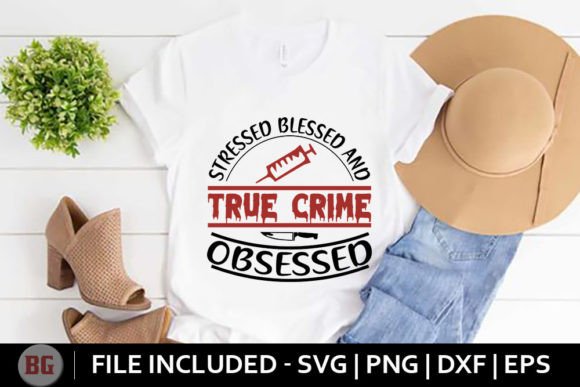
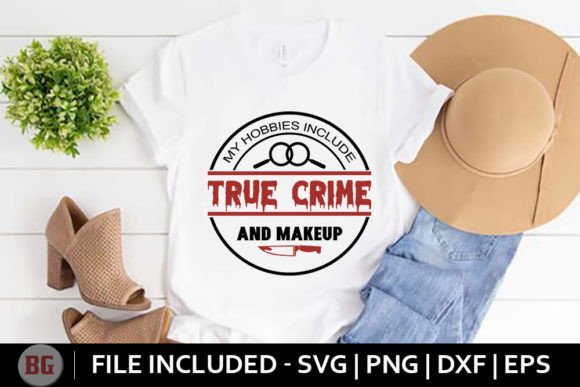
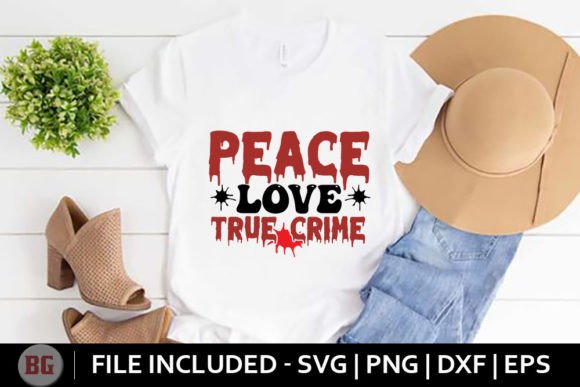
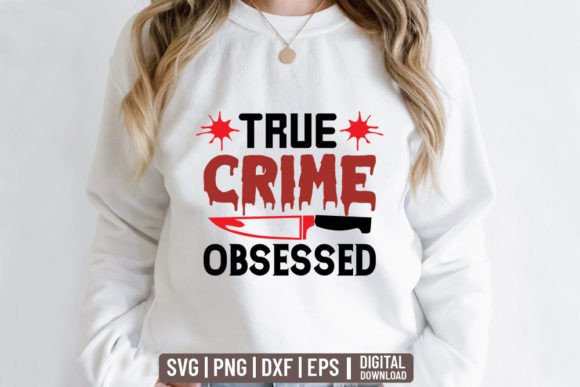
The mood of True Crime Obsessed. is bold and slightly edgy, which makes it a standout choice for specific niches. It does not try to be delicate or subtle. Instead, it commands attention. For those of us creating T-Shirt Designs or apparel Graphics, this visual personality is a double-edged sword. It works exceptionally well for statement pieces but can feel overwhelming if placed on items meant to be understated, such as fine linens or minimalist nursery decor.
The layout appears straightforward, which is often a blessing in embroidery. Complex, sprawling designs require massive hoop sizes and excessive jump stitches, which increase production time and the risk of thread breaks. This design feels contained, suggesting it would fit comfortably within standard hoop sizes like 4x4 or 5x7 inches, though you must verify the specific dimensions in your downloaded files before committing to a project.
Real-World Application: The Custom Sweatshirt Test
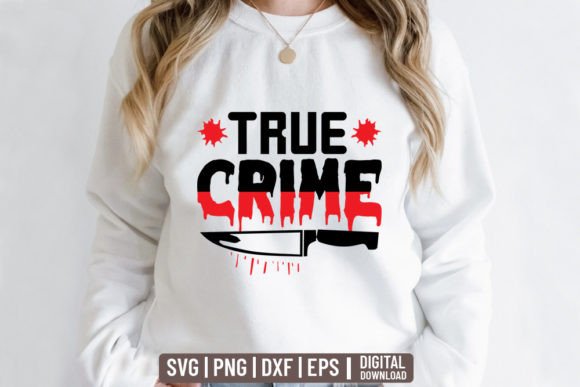
To truly evaluate a design, I imagine it on a real product. Let’s consider a custom embroidered sweatshirt for a local boutique client. The fabric is a medium-weight cotton blend, stable enough to hold stitches without puckering excessively. Placing True Crime Obsessed. on the left chest area creates a cool, modern aesthetic. It feels less like a generic slogan and more like a badge of identity for the wearer.
However, if I were to scale this up for a full-back print on a hoodie, I would need to be wary of stitch density. Large areas of solid fill can make heavy garments even heavier and stiffer. In this scenario, I would recommend using a combination of satin stitch for outlines and lighter fill stitch patterns for any larger enclosed areas to maintain fabric drape. The design’s inherent simplicity likely lends itself well to this approach, avoiding the "cardboard effect" that plagues poorly digitized large graphics.
Navigating Fabric and Hoop Constraints
One of the most critical aspects of using any machine embroidery design is understanding where it fails. True Crime Obsessed. seems robust, but there are limits. If you are working with textured fabrics like terry cloth towels or fuzzy fleece blankets, fine details can get lost. The texture of the fabric competes with the thread. In these cases, I advise using a higher contrast thread color to ensure legibility.
Curved surfaces present another challenge. If you plan to use this on a cap or hat, the curvature can distort the text or shape. A design that looks perfect flat on the screen might appear warped when stitched over the seam of a baseball cap. I always recommend running a test stitch on a scrap piece of similar fabric stretched in the same type of hoop you intend to use. This is non-negotiable for professional results.
Additionally, be cautious with thin or stretchy fabrics like rayon or lightweight jersey. Without proper stabilization, the pulling force of the stitches can cause the garment to pucker around the design. Using a cut-away stabilizer is often safer than tear-away for these materials, especially if the item will be washed frequently. The durability of the finished product depends heavily on this foundational step.
Commercial Viability for Etsy Sellers and Crafters
For Etsy sellers and small shop owners, the appeal of True Crime Obsessed. lies in its niche marketability. True crime enthusiasts are a dedicated community, often seeking personalized items that reflect their hobbies. This design could easily anchor a line of personalized gifts, such as tote bags for book clubs or aprons for themed parties.
However, commercial success requires more than just a cute design. It requires consistency and professionalism. When listing this as a digital embroidery file or selling finished items, clarity is key. You must ensure that the files you receive—SVG, PNG, EPS, and DXF—are high resolution and clean. While SVG and DXF are vector-based and scalable, PNGs are raster images. If you are using the PNG for printable mockups or sublimation transfers, check the DPI to avoid pixelation.
It is also vital to confirm licensing terms. Just because a file is ready to use does not always mean it is cleared for unlimited commercial sales. Always read the license agreement provided by the creator. Some allow unlimited physical sales but restrict digital resale, while others may have caps on production volume. Protecting your craft business means respecting intellectual property rights.
Technical Notes for the Embroidery Studio
Before loading this design into your machine, take a moment to review the technical specifics. Since the product description mentions multiple file formats, you have flexibility. If you are using software that allows editing, open the SVG or EPS to check node counts and path directions. Smooth paths result in smoother stitching.
- Thread Color Contrast: Test the design in both light and dark thread combinations. A dark thread on a dark fabric will vanish, ruining the impact.
- Stitch Density: If the design feels too dense in preview mode, consider reducing the density slightly in your digitizing software to prevent fabric distortion.
- Small Details: Inspect any tiny elements. If they are smaller than the width of your needle, they may not stitch out correctly and could cause thread bunching.
- Mockups: Create black and white mockups to check value contrast. If the design loses definition in grayscale, it may lack sufficient contrast in real life.
Final Verdict on Design Utility
True Crime Obsessed. is a solid addition to a designer’s library, particularly for those targeting the true crime demographic. It is not a universal design; it will not work for every client or every garment. But for the right project—such as a sturdy canvas tote bag design or a casual sweatshirt embroidery piece—it offers strong visual appeal and clear thematic resonance.
The key to success with this graphic is preparation. Do not skip the test stitch. Do not guess on stabilizer types. And do not assume that because it looks good on screen, it will automatically look good on fabric. Embroidery is a tactile medium, and the best designers respect the physical properties of thread and cloth. With careful handling and smart material choices, this design can elevate your handmade product lineup and engage customers who appreciate both craft and content.